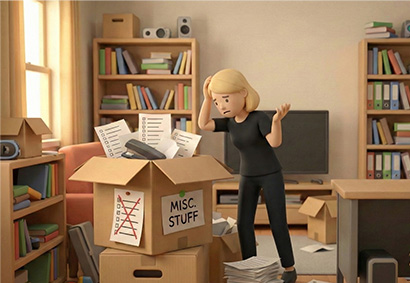
Self-storage units are incredibly useful - they give us extra space for seasonal items, help during moves, and provide a home for things we don't need daily but can't bear to part with. However, without proper organization, that convenient storage space can quickly become an expensive black hole where belongings disappear.
In this guide, we'll show you how to maximize your storage unit's potential, keep track of everything you store, and ensure you can find what you need when you need it.
Choosing the Right Storage Unit Size
Before we dive into organization strategies, let's make sure you have the right size unit. Here's a general guide:
- 5x5 (25 sq ft): Small closet - boxes, seasonal items, small furniture
- 5x10 (50 sq ft): Walk-in closet - one room of furniture, boxes
- 10x10 (100 sq ft): Half a garage - 2-3 rooms of furniture
- 10x15 (150 sq ft): Large garage - 3-4 rooms of furniture
- 10x20 (200 sq ft): Small house - entire apartment or small house
The Foundation: Proper Packing
How you pack your items before they even reach the storage unit will determine how organized (or chaotic) your experience will be.
Packing Best Practices:
- Use uniform box sizes: Same-sized boxes stack better and maximize vertical space
- Heavy items in small boxes: Makes them easier to lift and less likely to crush other items
- Fill boxes completely: Partially filled boxes collapse when stacked
- Wrap fragile items individually: Use bubble wrap, packing paper, or even towels and linens
- Disassemble furniture: Remove legs from tables, take apart bed frames, etc.
Pro Tip: Label Everything Digitally
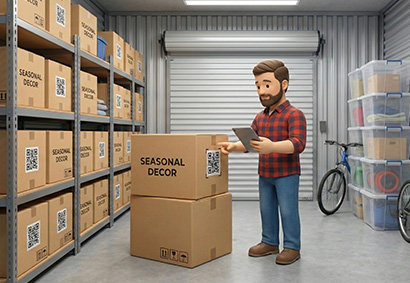
Label every box on multiple sides with its contents. Better yet, use a digital inventory system like FindAnyItem to scan and catalog each box's contents. When you need something months later, you'll be able to search your inventory instead of opening every box.
Strategic Unit Layout: The Zone Method
The way you arrange items in your storage unit can make the difference between a quick 5-minute retrieval and an hour-long excavation project.
Back Zone (Rarely Accessed)
Items you won't need for the duration of storage: holiday decorations from the opposite season, archived documents, collectibles, out-of-season sports equipment.
Middle Zone (Occasionally Accessed)
Things you might need a few times a year: camping gear, tools, specialty kitchen items, extra bedding for guests.
Front Zone (Frequently Accessed)
Items you'll need regular access to: seasonal clothing, current-season decorations, frequently used equipment, important documents.
Maximizing Vertical Space
One of the biggest mistakes people make is only using the floor space. Your storage unit extends up to 8-10 feet - use it!
Vertical Space Strategies:
- Use shelving units: Freestanding metal shelves are perfect for storage units
- Stack boxes strategically: Heaviest on the bottom, lighter on top
- Store mattresses vertically: They take up much less floor space standing up
- Hang items when possible: Bikes, tools, and other items with hooks can hang from ceiling beams or walls
- Use furniture as storage: Put boxes inside dressers, wardrobes, and appliances
Creating a Digital Inventory System
This is perhaps the most important section of this entire guide. A storage unit without an inventory is like a library without a catalog - technically functional but practically useless.
The Traditional Method:
Keep a written list of box contents, number each box, and maintain a master spreadsheet. This works, but it's tedious and difficult to maintain.
The Modern Method with FindAnyItem:
Use a digital inventory app to transform your storage unit management:
Scan Each Box's Contents
Use AI-powered detection to automatically identify and catalog items as you pack them.
Generate QR Code Labels
Print and attach a unique QR code to each box for instant identification.
Create a "Storage Unit" Location
Set up your storage unit as a location in the app to keep all your stored items organized.
Search Anytime, Anywhere
Need something from storage? Search your inventory from home before you even make the trip.
Never Lose Track of Stored Items Again
Download FindAnyItem and create a complete digital inventory of your storage unit.
Get FindAnyItem FreeProtecting Your Belongings
Organization is important, but so is protection. Here's how to keep your items safe and in good condition:
Climate Considerations:
- Consider climate-controlled units for sensitive items (electronics, wood furniture, photos, documents)
- Use moisture absorbers or desiccants in non-climate-controlled units
- Never store items directly on the floor - use pallets or shelving
- Cover furniture with breathable fabric covers, not plastic
Security Tips:
- Use a high-quality disc lock (they're harder to cut than standard padlocks)
- Don't store irreplaceable items or high-value goods
- Consider additional storage insurance beyond the facility's basic coverage
- Keep a photo inventory of valuable items for insurance purposes
Regular Maintenance
A storage unit isn't a "set it and forget it" situation. Schedule periodic visits to:
- Check for signs of moisture, pests, or damage
- Rotate seasonal items to the front zone
- Decide if you still need everything you're storing
- Update your inventory if you add or remove items
Schedule Regular Check-Ins
Set a calendar reminder to visit your storage unit at least once per season. This helps you stay on top of what you have and catch any issues early.
Final Thoughts
A well-organized storage unit is a valuable asset. It gives you extra space without the chaos of not knowing what you have or where it is. The key is investing time upfront in proper packing, strategic arrangement, and - most importantly - maintaining a comprehensive inventory.
With modern tools like FindAnyItem, keeping track of your stored belongings has never been easier. No more mystery boxes, no more wasted trips to the storage unit, and no more paying to store things you forgot you had.
Your organized storage unit awaits!